About FAAY HAUS®
From a maker's hands to your kitchen drawer.
Every spoon starts with someone in Thailand who knows the wood, and ends with someone in your kitchen who trusts it.

Our starting point
Craft should survive a Tuesday, not just a photo.
We think an object can work well, use a material chosen with care, and carry a human hand you can see, all at once. That's just how we build things.
Three product worlds
Made for the routines that shape a day.
Cooking
Kitchen tools shaped around real tasks: stirring, turning, serving, caring for cookware.
Dining
Bowls and spoons with grain and weight you can feel, made for the table you actually use.
Daily care
Bathing tools designed around reach, grip, texture, drying, and replaceable parts where applicable.
Community and collaboration
Two kinds of expertise, one object.
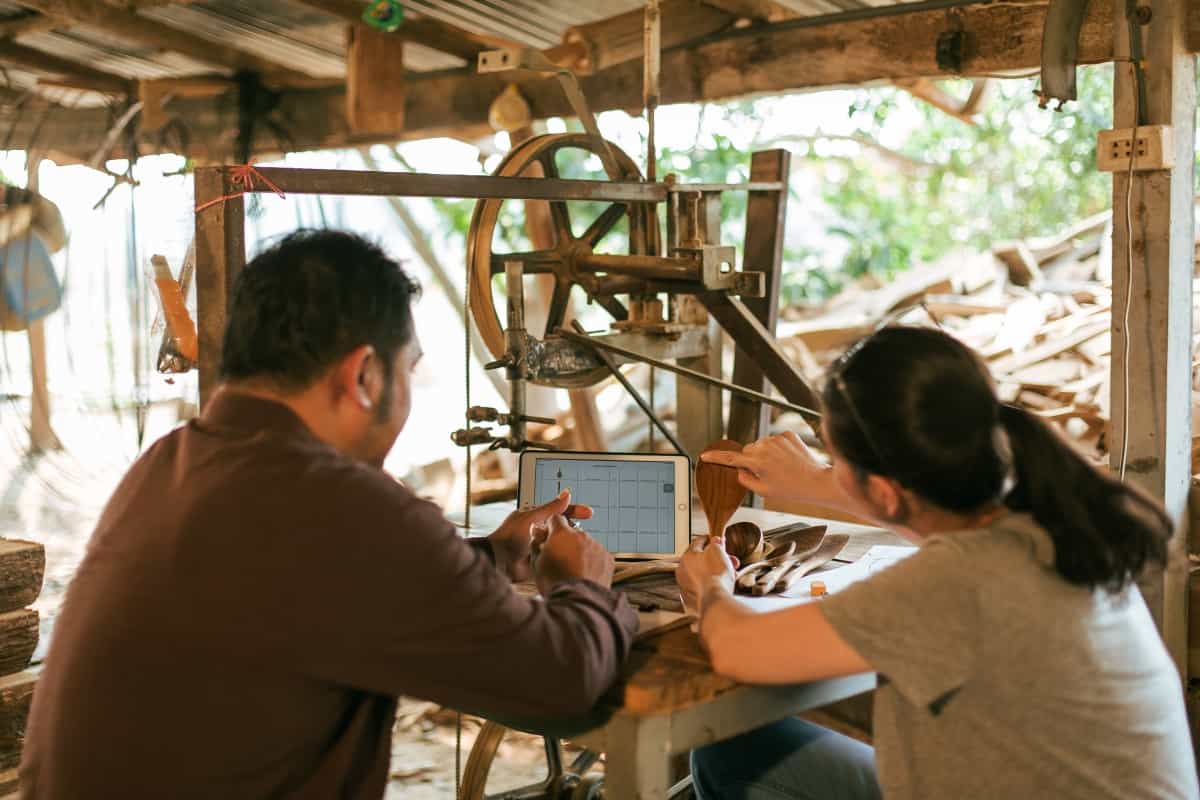
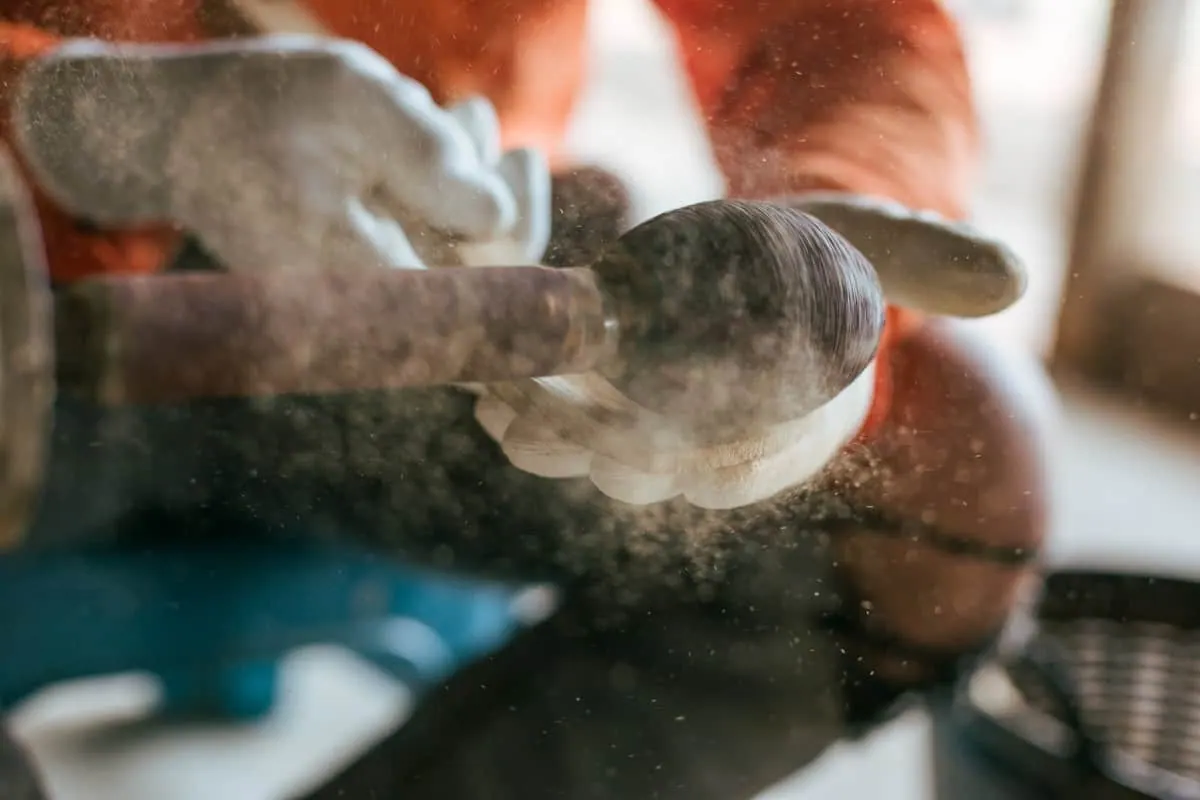
The people carving in Thailand bring years of hands-on knowledge and a feel for the wood. We bring back what people tell us after they've used the thing for a year.
Ideas move back and forth on the shape of a handle, the finish, the small details. Neither side gets the final word alone. What comes out the other end is usually better than what either side started with.
Design in practice
One handle taught us how this works.
One of our first real collaborations came down to the handle of a single kitchen utensil. The makers knew how the wood wanted to be held. We brought feedback on comfort and how people actually cook today.
That exchange reflects how we want products to develop: through attention to the object, the material, and the person using it.

Material clarity
Materials deserve an honest explanation.
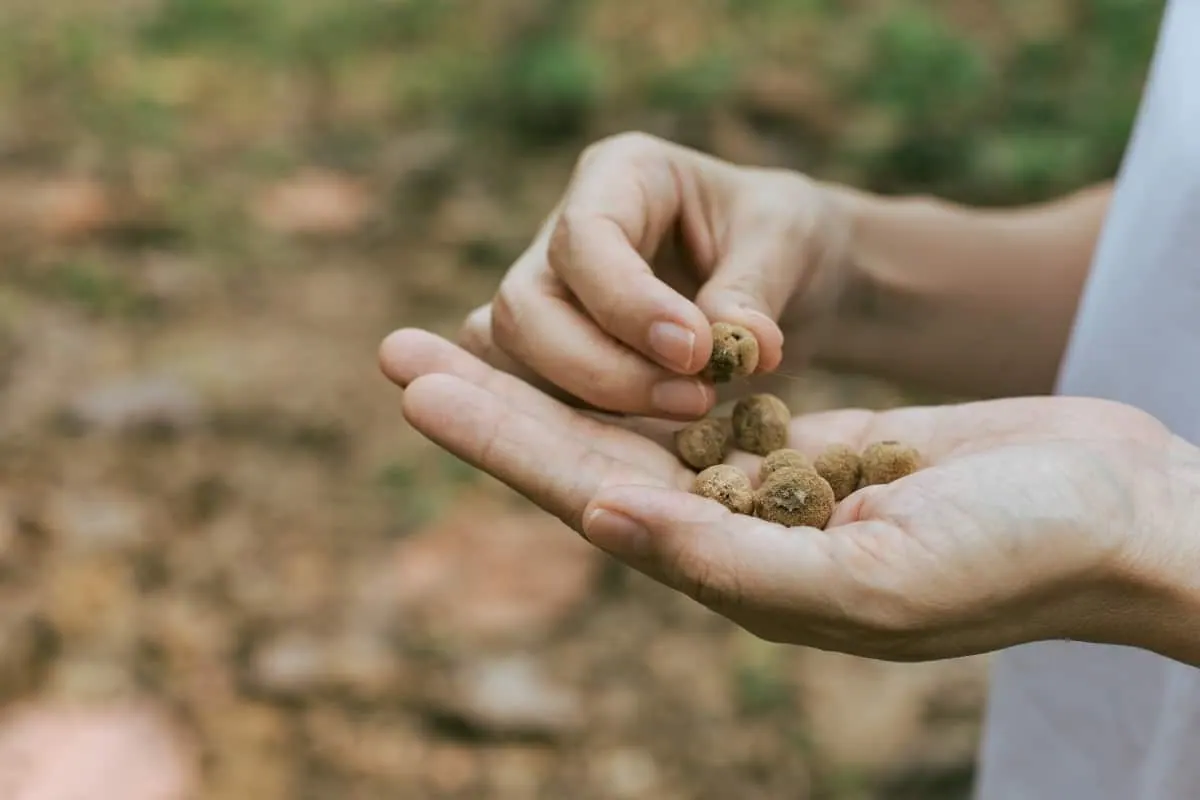
Our collection is mostly teak and loofah, sometimes both in the same object. Grain, color, even scent shift from piece to piece, the same way no two trees ever look quite alike.
Environmental responsibility shows up in specific choices and documented facts, not a general label. As our evidence and process improve, so does how clearly we explain them.
Continued improvement
The object keeps evolving.
We collect what people tell us after they've actually used the thing, and bring it back into how the next version gets shaped. A sale tells us it worked once. Feedback tells us if it's still working a year in.
FAAY HAUS®
Useful objects, shaped by community hands.
Made to be used, understood, cared for, and used again.
Explore the collection